
For decades, women have been celebrated for holding everything together. The careers. The families. The relationships. The endless expectations. They’ve mastered the art of being everything to everyone, often without realizing what it’s costing them.
Then menopause arrives, and suddenly, the very strategies that helped them navigate their lives may no longer work quite the same way.
But what if menopause isn’t simply changing who women are? What if it’s revealing the emotional cost of who they’ve spent their lives becoming?
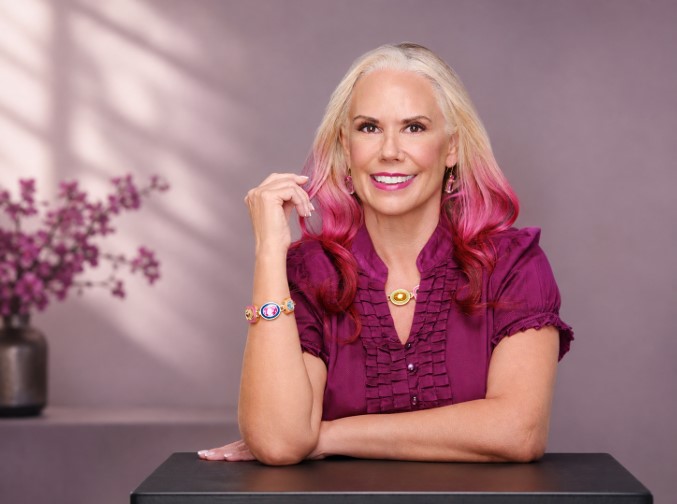
While the wellness industry focuses on hormone therapies, longevity protocols, and symptom management, Candis Zimmerman, ATI-certified somatic instructor and founder of soma•soul•shift, brings a different perspective to the conversation.
What happens when a woman who has spent decades adapting to everyone else’s needs begins to recognize her own?
The Hidden Cost of Being the Woman Everyone Needs
For generations, women have been praised for their ability to manage everything. Being dependable becomes an identity. Being accommodating becomes second nature. Saying “I’m fine” becomes almost automatic.
Over time, the body can become accustomed to functioning under persistent stress, even when the mind has normalized the experience.
Then something shifts. Sleep becomes unpredictable. Emotional resilience feels different. Stress that once seemed manageable becomes overwhelming. Familiar coping strategies may no longer work, leaving women feeling like strangers to themselves.
While these changes can have biological explanations, Zimmerman’s perspective invites another consideration: the emotional weight of a lifetime spent adapting to everyone else’s expectations.
What appears to be a personal crisis may also become an opportunity to recognize patterns of self-suppression that have gone unquestioned for decades.
Shifting from Management to Listening
In a culture that views aging as a series of losses, Zimmerman introduces another possibility: seeing this stage of life as a period of reclamation.
Through her work at soma•soul•shift, she helps women over 50 explore a different relationship with their changing bodies.
Alongside established approaches to managing symptoms, somatic practices encourage women to turn their attention inward. Through breath, intentional movement, and body awareness, women can begin recognizing how stress, emotional experiences, and long-standing patterns influence their physical responses.
As women become more aware of their habitual reactions to stress, they may discover new ways of relating to the people-pleasing, over-functioning, and expectations that have shaped their lives.
A New Season of Alignment
This transition is rarely comfortable. Yet Zimmerman’s approach makes room for discomfort to become an opportunity for deeper awareness.
When old coping mechanisms stop working, women may begin reconsidering the relationships, responsibilities, and expectations that once defined them.
Rather than viewing their changing bodies as something to resist or correct, her work encourages women to meet themselves with greater awareness, compassion, and curiosity.
Perhaps this chapter isn’t about losing the woman they once were.
Perhaps it’s about discovering who they can become when they stop defining themselves through everyone else’s expectations.
For some women, this isn’t an ending. It’s the beginning of finally arriving at themselves.
Candis Zimmerman
M.Ed., LPC, ATI | Certified Somatic Instructor | Psychosomatic Wellness Coach | Founder, soma•soul•shift
Website: https://somasoulshift.com
Instagram: @soma.soul.shift



